Book Demo
Book Demo

Retrofit option simulation
Predicted cost and CO₂ impact
Reliability and bottleneck assessment










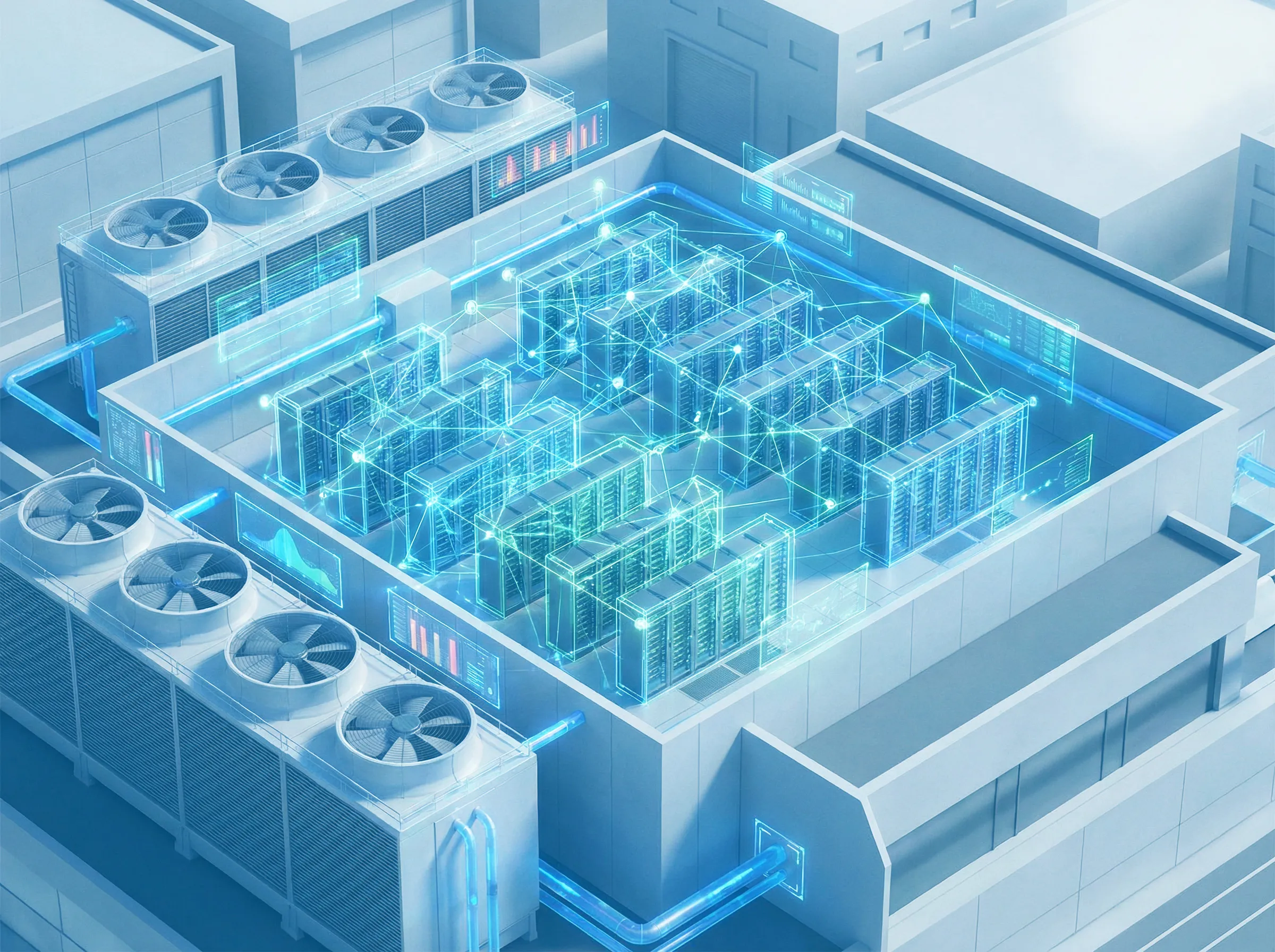
etaONE® simulates retrofit options and operating scenarios against a physics-based model of your full system, so you can predict their impact before making a single change on site.


The solution can be introduced step by step, starting with a focused use case and scaling across additional systems, assets, or sites oncethe business case is validated.

Different equipment replacement or upgrade options are simulated in the context of the full energy system. You can compare likely performance before purchasing or installing new assets.

The model estimates how each option affects operational energy use and related costs under expected operating conditions. Investment decisions are based on expected economic impact, not on vendor assumptions alone.

Simulations show how equipment or operational changes influence emissions based on system behavior and energy consumption. Sustainability targets can be evaluated along side technical and financial performance.

The simulation tests how proposed changes affectsystem stability, resilience, and bottleneck risk. Teams can avoid options that look efficient on paper but weaken operational robustness.

The system models stress cases such as peak loads, adverse weather, unusual demand, or other extreme operating conditions. Weak points become visible before they cause problems in live operation.

Proposed control, process, or operational changes are simulated before being introduced into the real system. Teams can evaluate effects safely before making disruptive changes on site.
etalytics follows a structured three-step deployment model.
Replace opinion-based debatewith quantified, model-based comparison of options.

Simulate control, process, andoperational changes safely before introducing them on site.

See system-wide effects of achange instead of guessing at second-order consequences.

Find the bottlenecks andfailure modes under extreme conditions before live operation does.

Simulation informs yourdecision; nothing changes in the real system until your team commits.

Validate the economic case foran upgrade before committing capital, not after.

Evaluate sustainability targetsalongside technical and financial performance in one view.

Reduce the chance of an upgradethat raises running costs or weakens resilience.

Apply the same simulation rigorto every retrofit and expansion across the fleet.

Enter investment decisionswith predicted impact, not vendor promises.
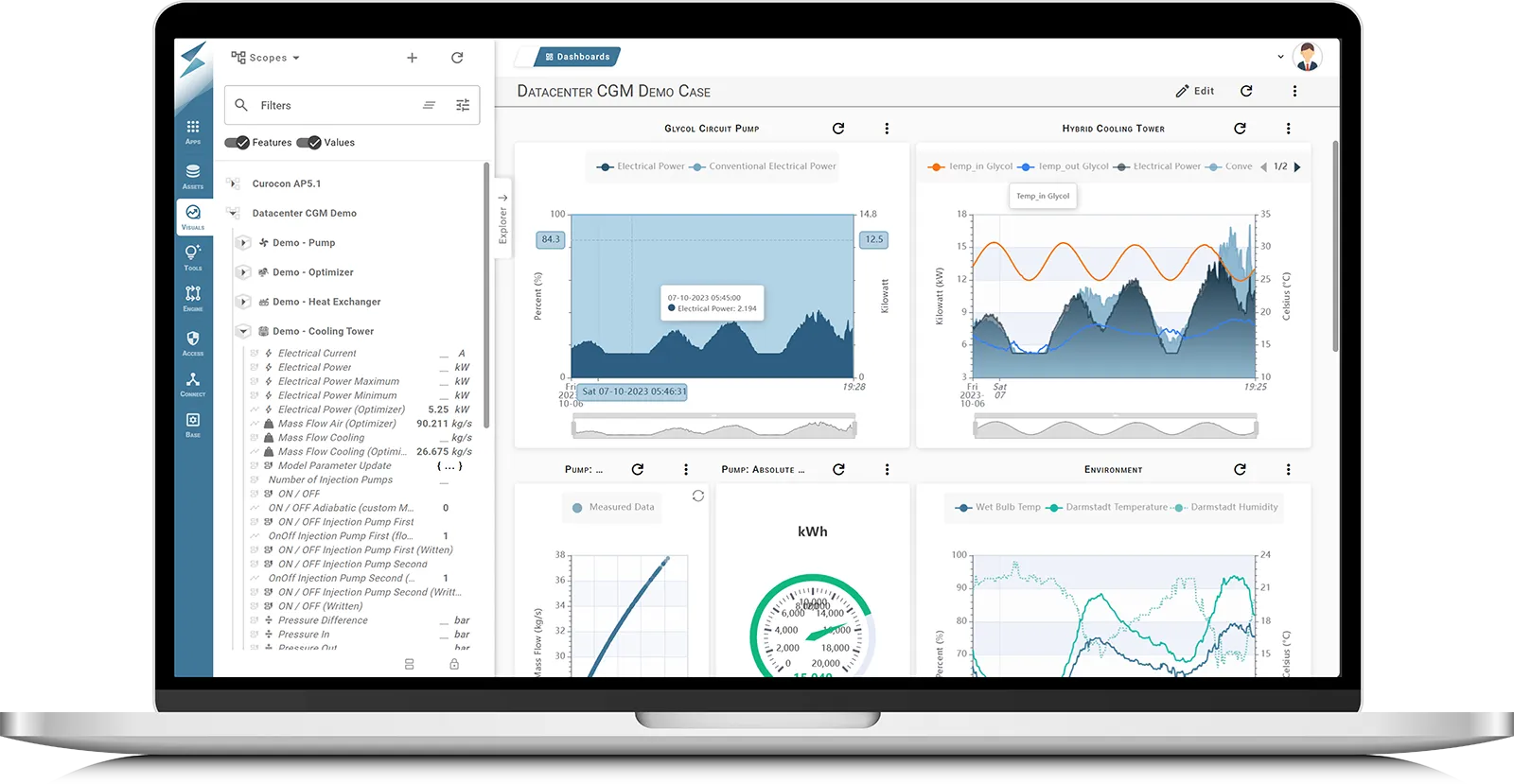
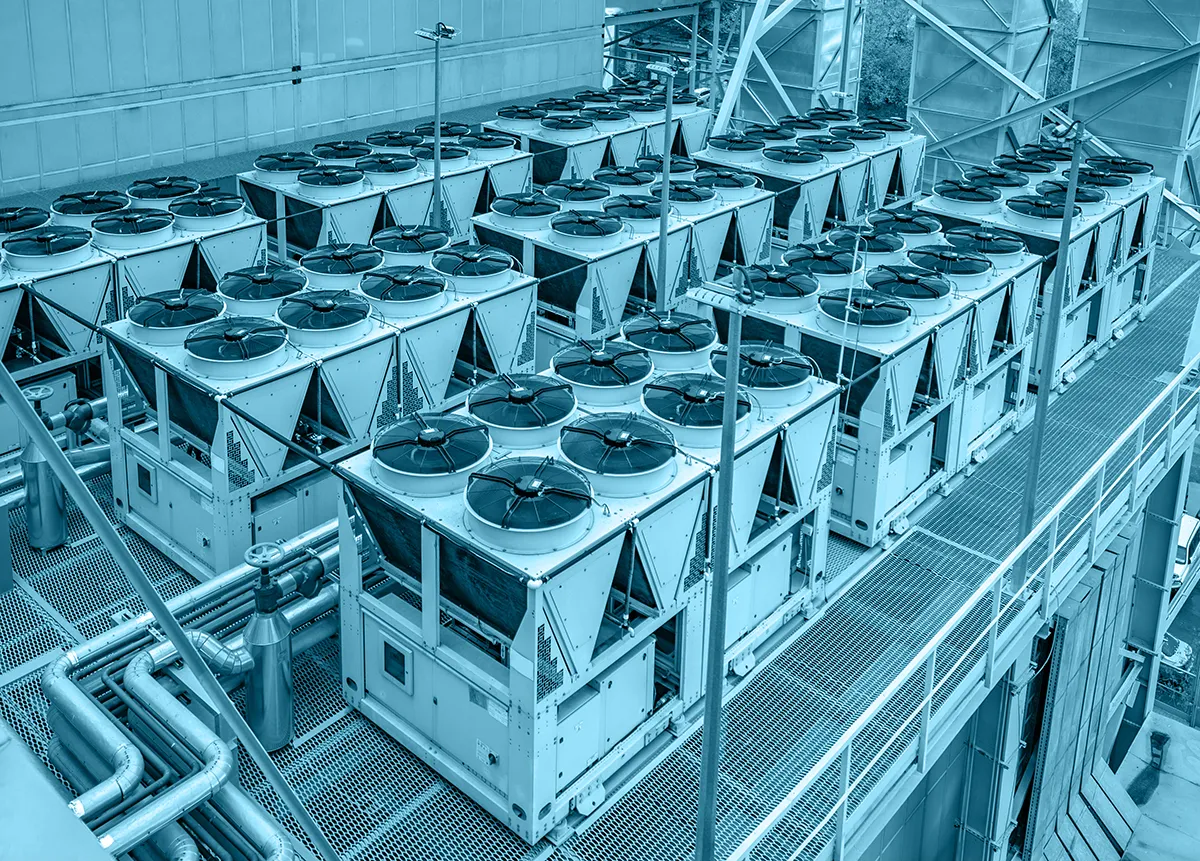
Optimize cooling plants, free cooling, hydraulic distribution, airflow-related dependencies, and supply temperatures while protecting mission-critical uptime and stability.
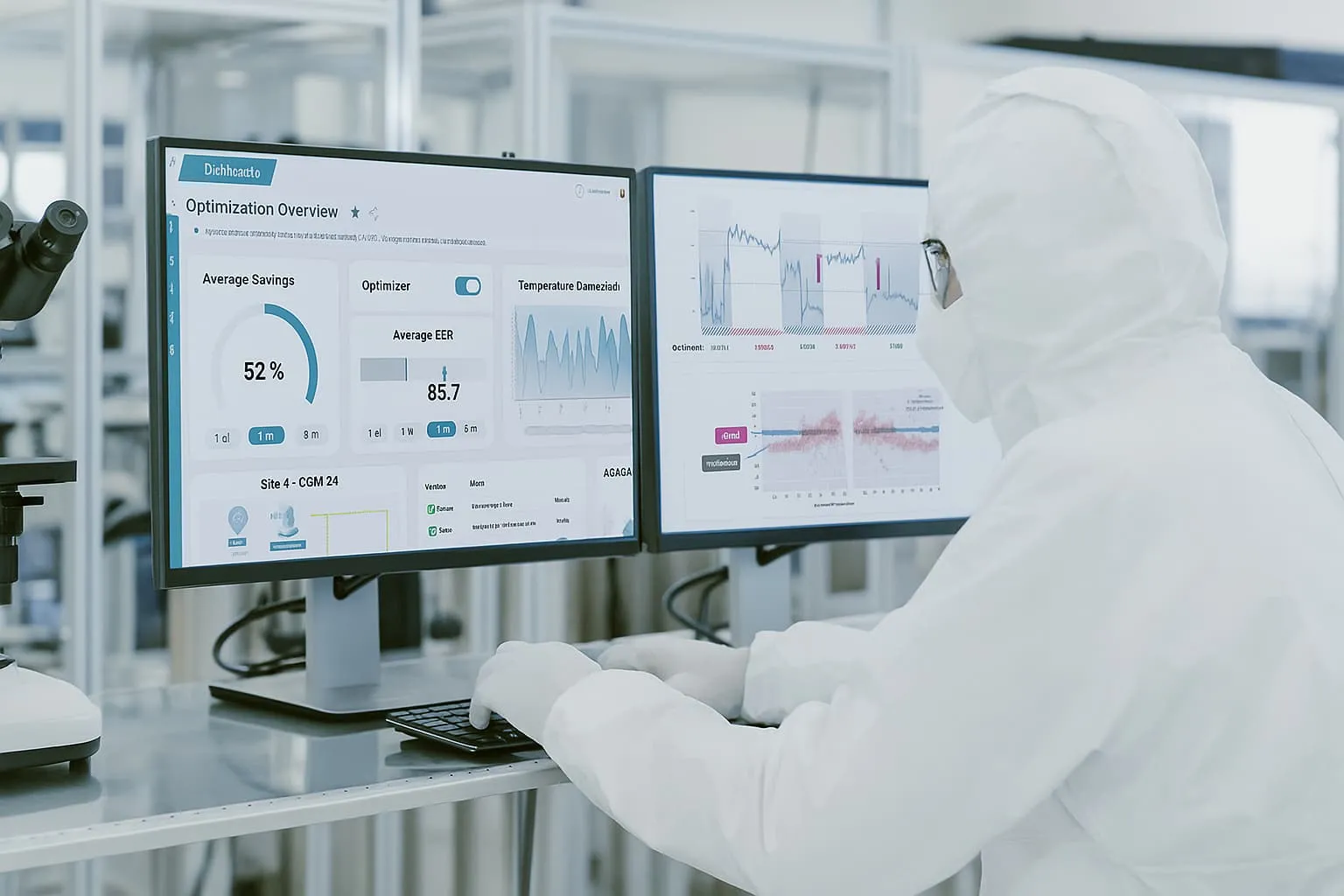
Improve HVAC and utility efficiency while maintaining stable environmental conditions, compliance requirements, and operational boundaries.
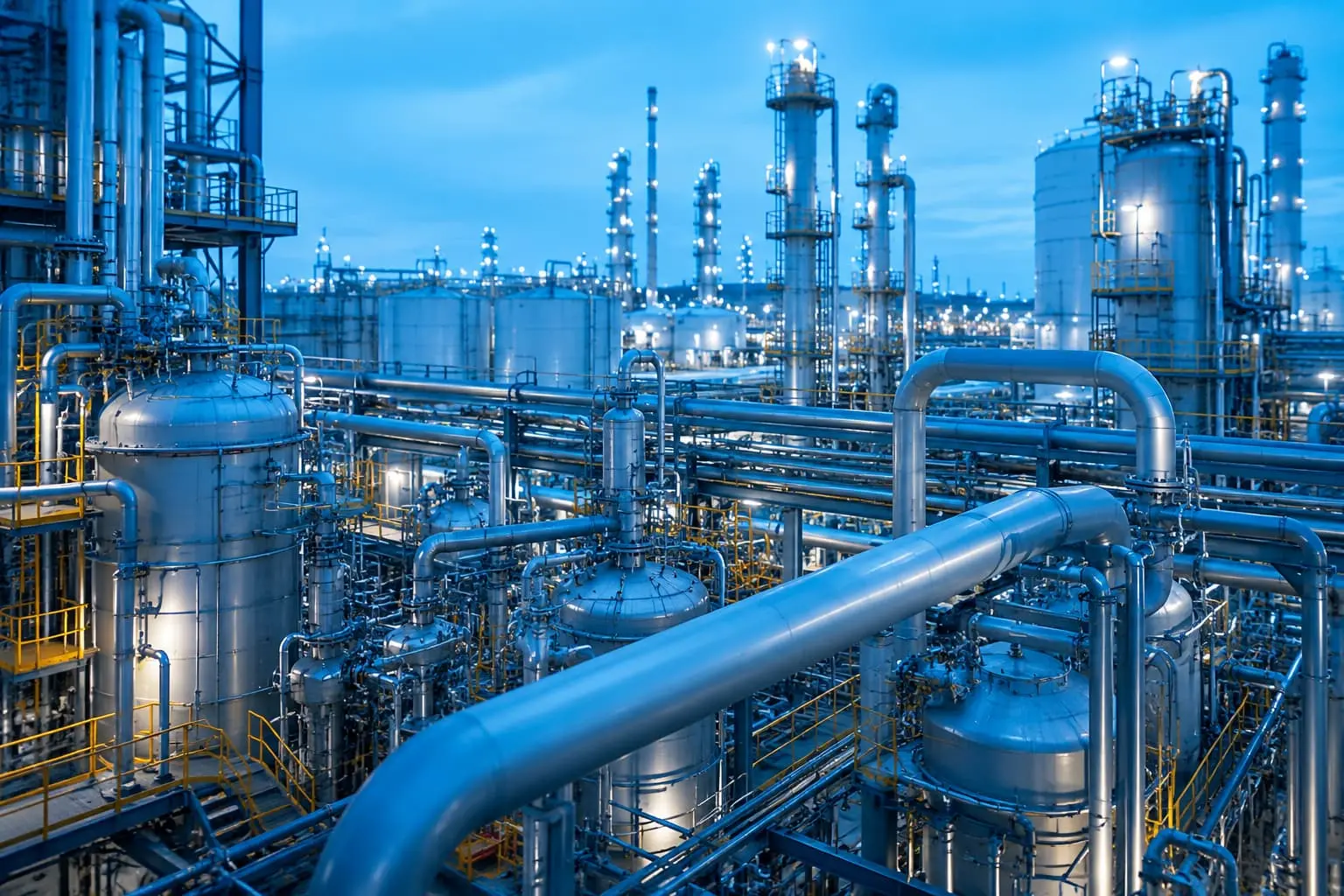
Coordinate cooling, heating, ventilation, thermal utilities, and electrical infrastructure under fluctuating production loads and changing energy prices.
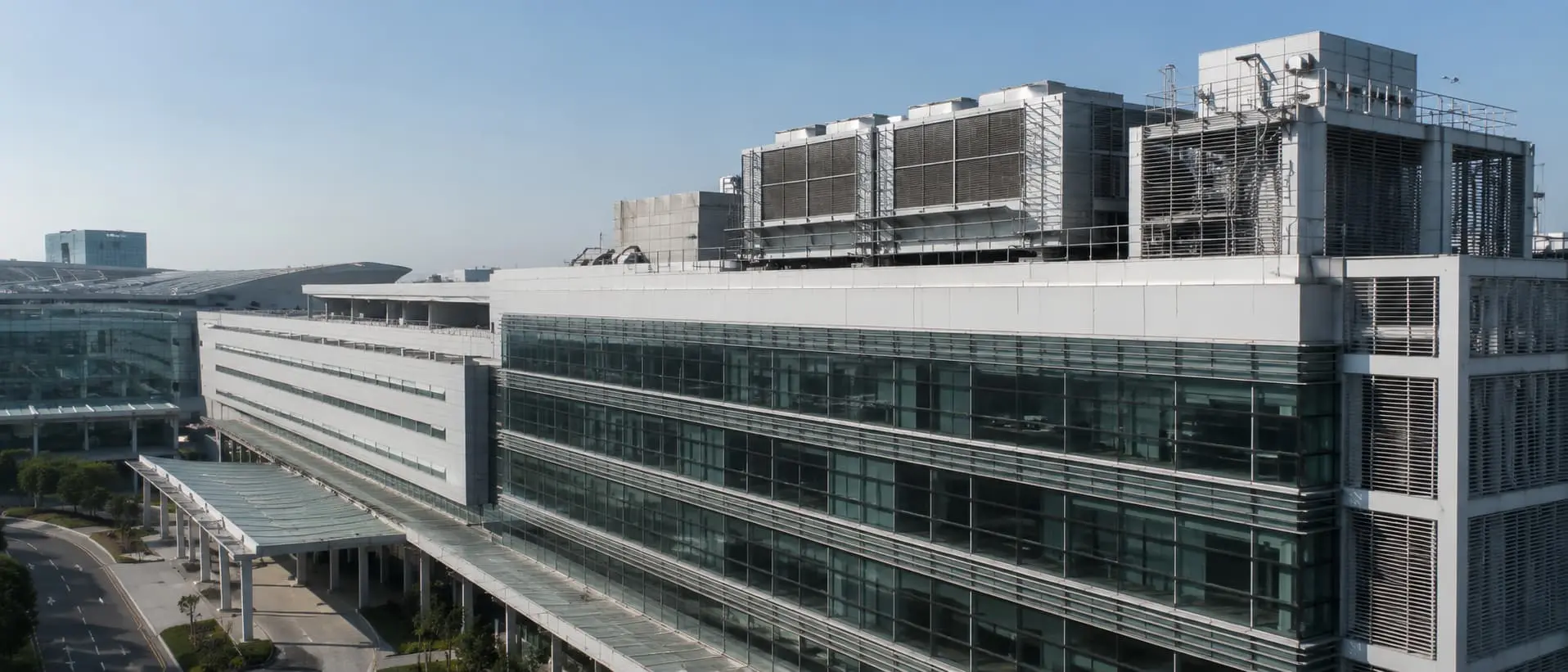
Improve performance in complex HVAC environments where demand, occupancy, weather, and operating schedules change continuously.
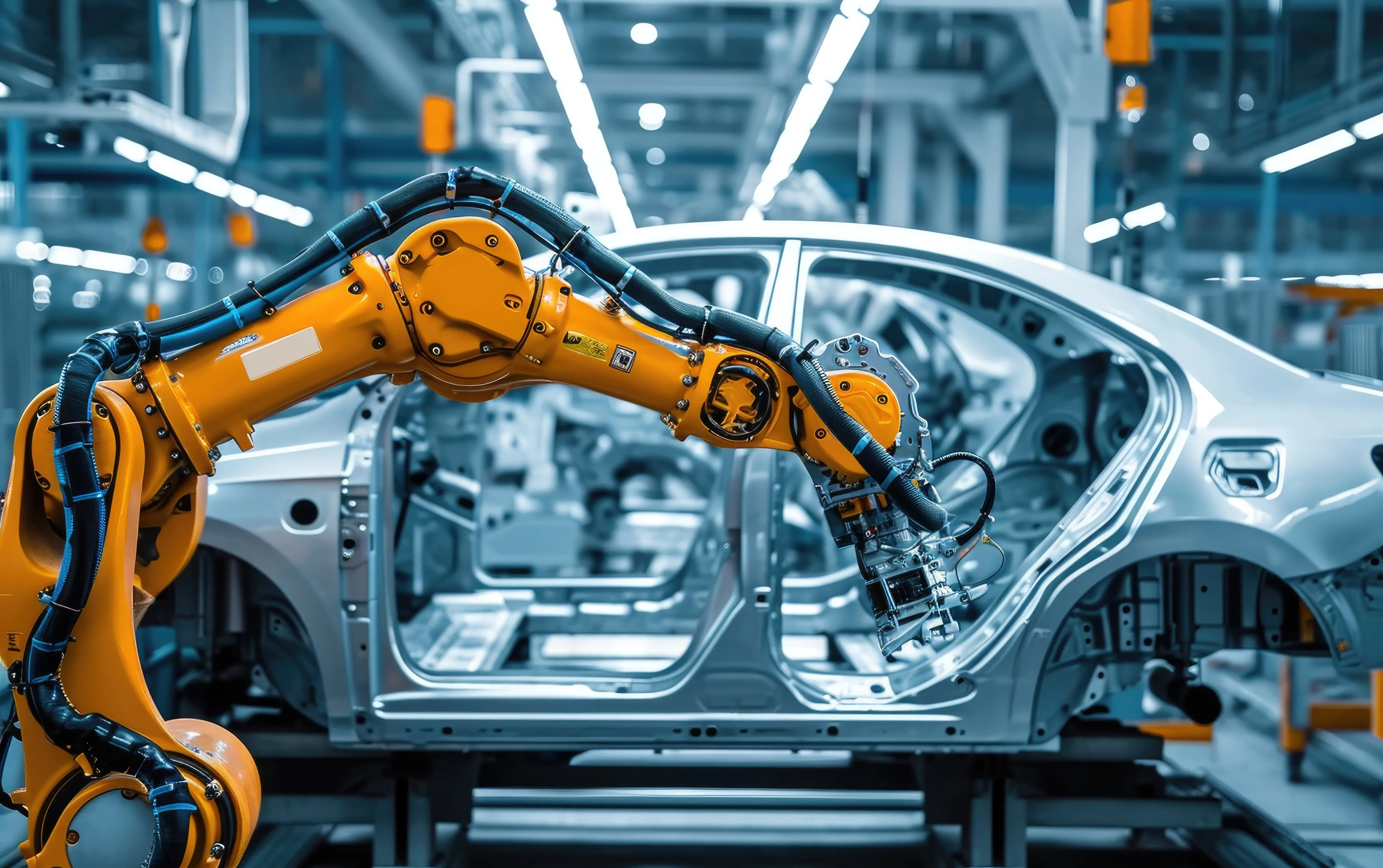
Reduce energy waste in process cooling, ventilation, heating, and site-level energy systems with variable production schedules and operating modes.
Equinix, Merck, and others achieve up to 50% cooling energy savings with etalytics. Explore our case studies.

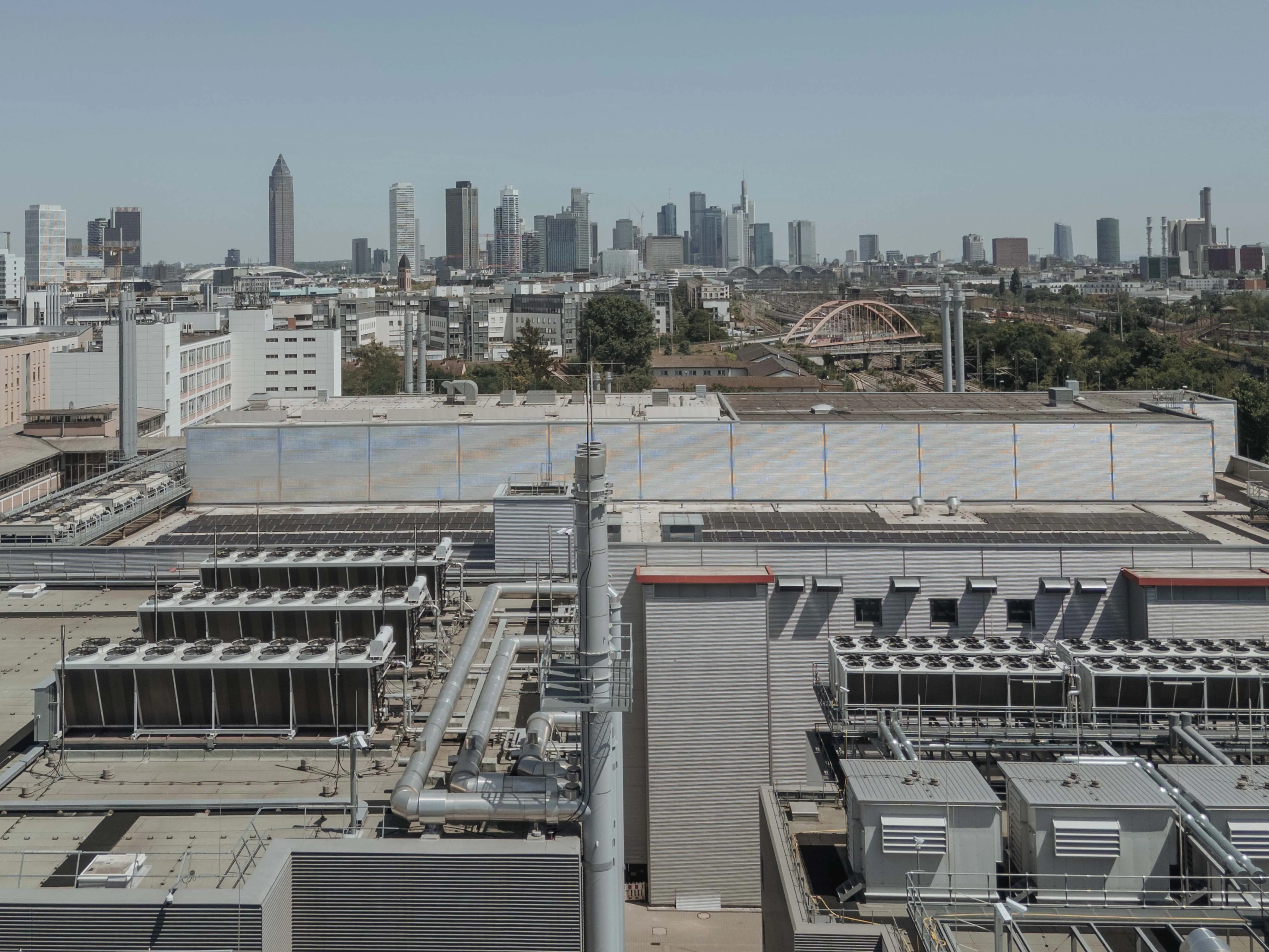
"With the help of etalytics' expertise, we are implementing AI-based operational optimization of the cooling systems at the Frankfurt site [...]. We are thus supporting a highly innovative approach that can serve as a blueprint for an entire industry."
Start with a free feasibility study. We analyze your existing data, model your system, and show you what simulation can de-risk.
Trusted by operators across data centers and industry





We empower industries to make complex energy systems and operations more intelligent, efficient, and resilient — with AI and digital twins that operators can trust.















.webp)