Book Demo
Book Demo

Reduce energy costs by aligning sourcing, generation, and storage with electricity prices, gas prices, tariffs, and demand peaks
Replace fixed schedules with adaptive dispatch across CHP, boilers, batteries, storage, and flexible loads
Improve flexibility value while respecting asset limits, operational dependencies, and technical constraints












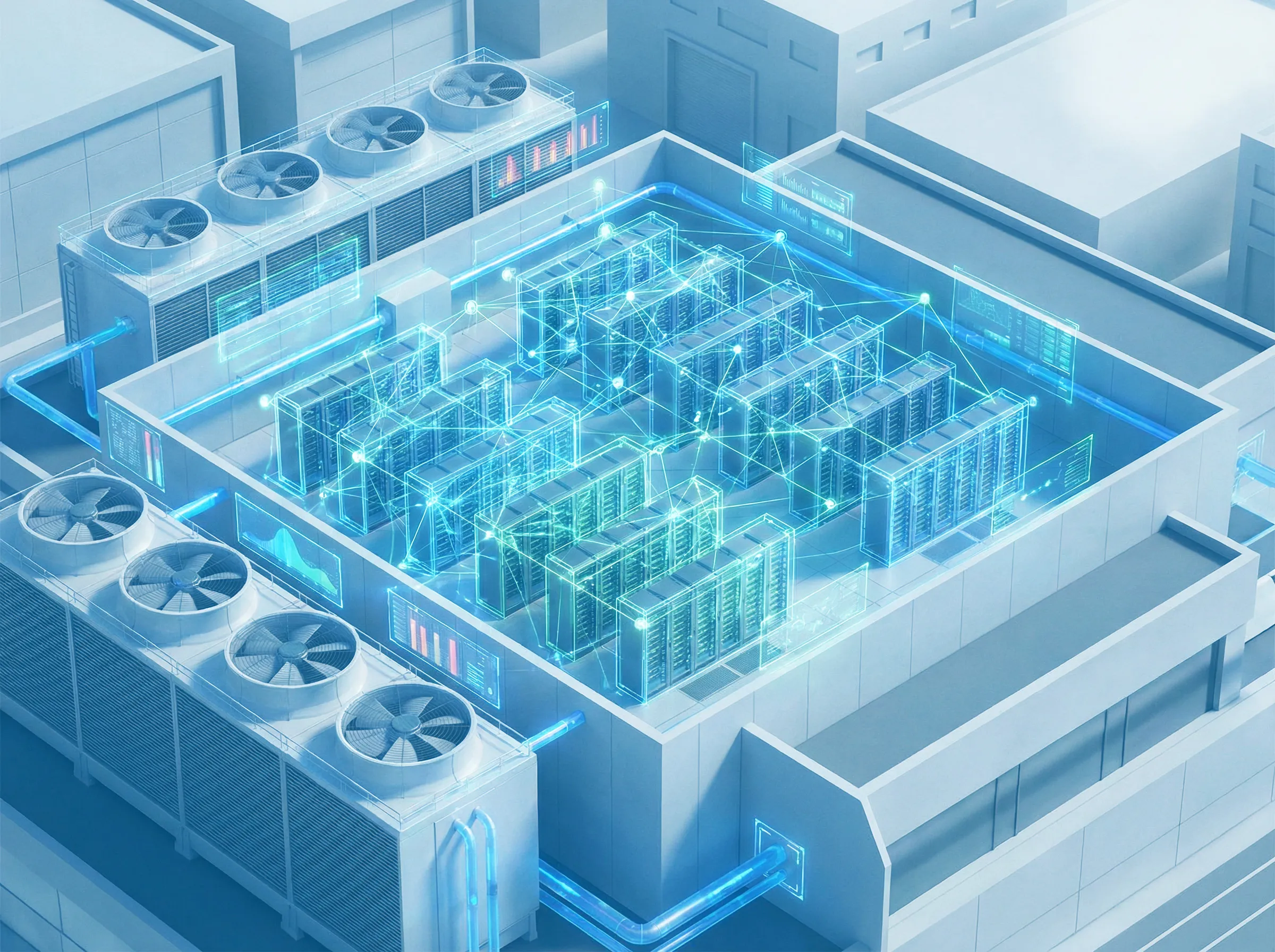
etalytics combines energy prices, site demand, asset performance and operational constraints to determine the best way to source, generate, store and use energy.Instead of optimizing individual assets separately, etalytics manages the complete energy system—from CHP and boilers to batteries, renewable generation and flexible loads.


etalytics connects operational data across your energy infrastructure, creates system-level transparency with digital twins, and deploys AI-driven optimization that operators can understand and trust. etalytics coordinates the full system with indefined operating boundaries to improve efficiency, resilience, and sustainability.

Select whether demand should be covered through onsite generation, storage, or external sourcing based on prices, asset status, and site priorities.

Align procurement and dispatch with electricity prices, gas prices, dynamic tariffs, grid charges, and relevant market signals

Schedule CHP and boiler operations based on electricity prices, gas prices, heat demand, asset efficiency, and system constraints.

Charge and discharge storage dynamically to avoid high-cost periods and reduce peak demand

Include renewable generation in dispatch decisions alongside storage, conventional assets, and flexible loads

Schedule charging loads in line with available capacity, tariff structures, and site demand
etalytics follows a structured three-step deployment model.

Reduce total energy input and cost across the optimized scope.
Measured by normalized kWh or MWh consumption, energy cost in EUR or USD, and savings compared with an agreed baseline.

Reduce emissions by operating assets more efficiently and shifting operations where lower-carbon energy is available.
Measured by CO2e reduction over a defined period.

Reduce manual setpoint changes, overrides, and reactive troubleshooting.
Measured by manual intervention rate, override events, and operator time spent on recurring control adjustments.

Avoid unnecessary operation and prioritize efficient modes such as free cooling, optimized part-load operation, and coordinated asset use.
Measured by runtime hours, start-stop cycles, and utilization of active versus passive or more efficient modes.

Maintain temperatures, pressures, humidity, airflow, or other operating parameters within defined boundaries.
Measured by deviation from target ranges and percentage of time within operating limits.

Use thermal inertia, storage, on-site generation, and price signals where relevant.
Measured by shifted load, avoided peak demand, use of favorable tariffs, or demand response participation.

Quantify savings potential, technical fit, risk, and implementation effort before scaling.
Measured by expected savings versus solution cost and a clear rollout decision.
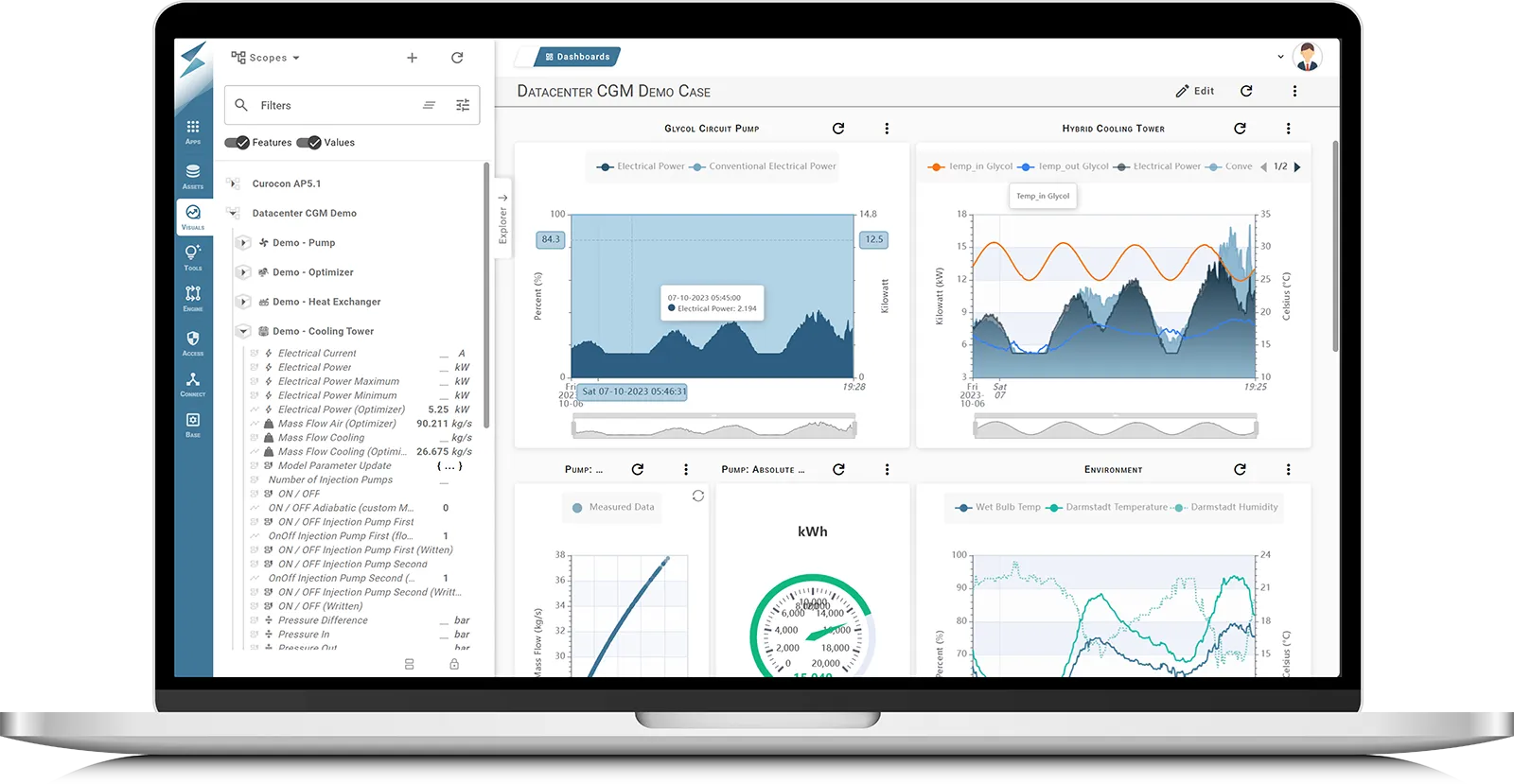
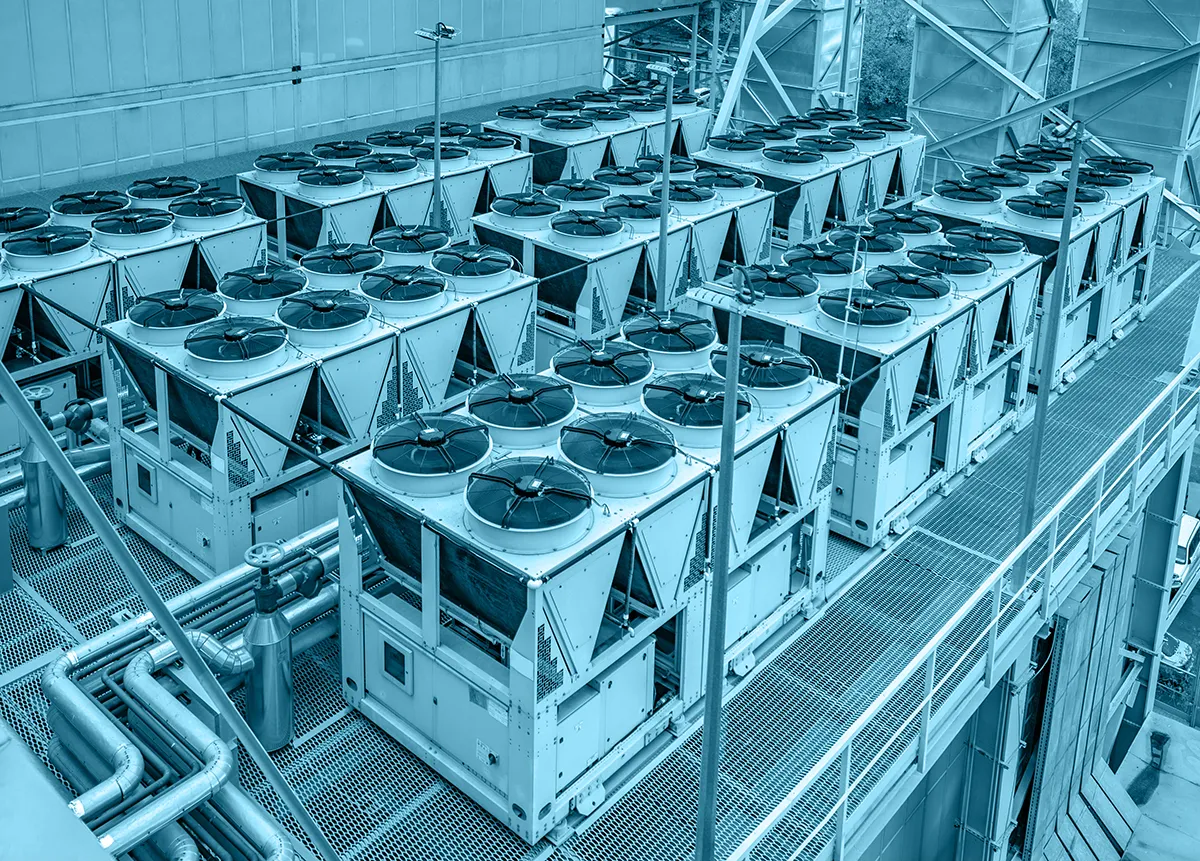
Optimize cooling plants, free cooling, hydraulic distribution, airflow-related dependencies, and supply temperatures while protecting mission-critical uptime and stability.
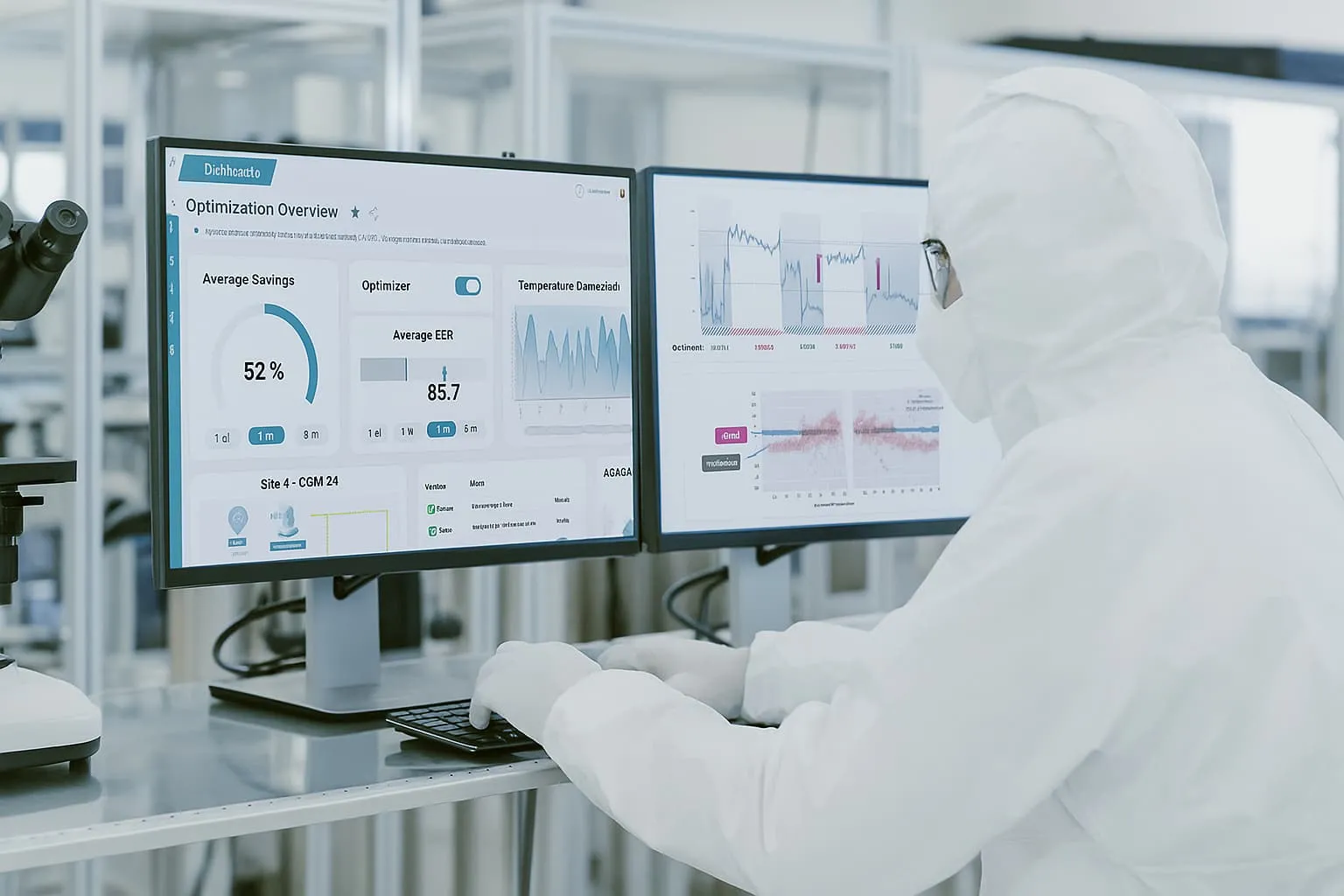
Improve HVAC and utility efficiency while maintaining stable environmental conditions, compliance requirements, and operational boundaries.

Coordinate cooling, heating, ventilation, thermal utilities, and electrical infrastructure under fluctuating production loads and changing energy prices.

Reduce energy waste in process cooling, ventilation, heating, and site-level energy systems with variable production schedules and operating modes.
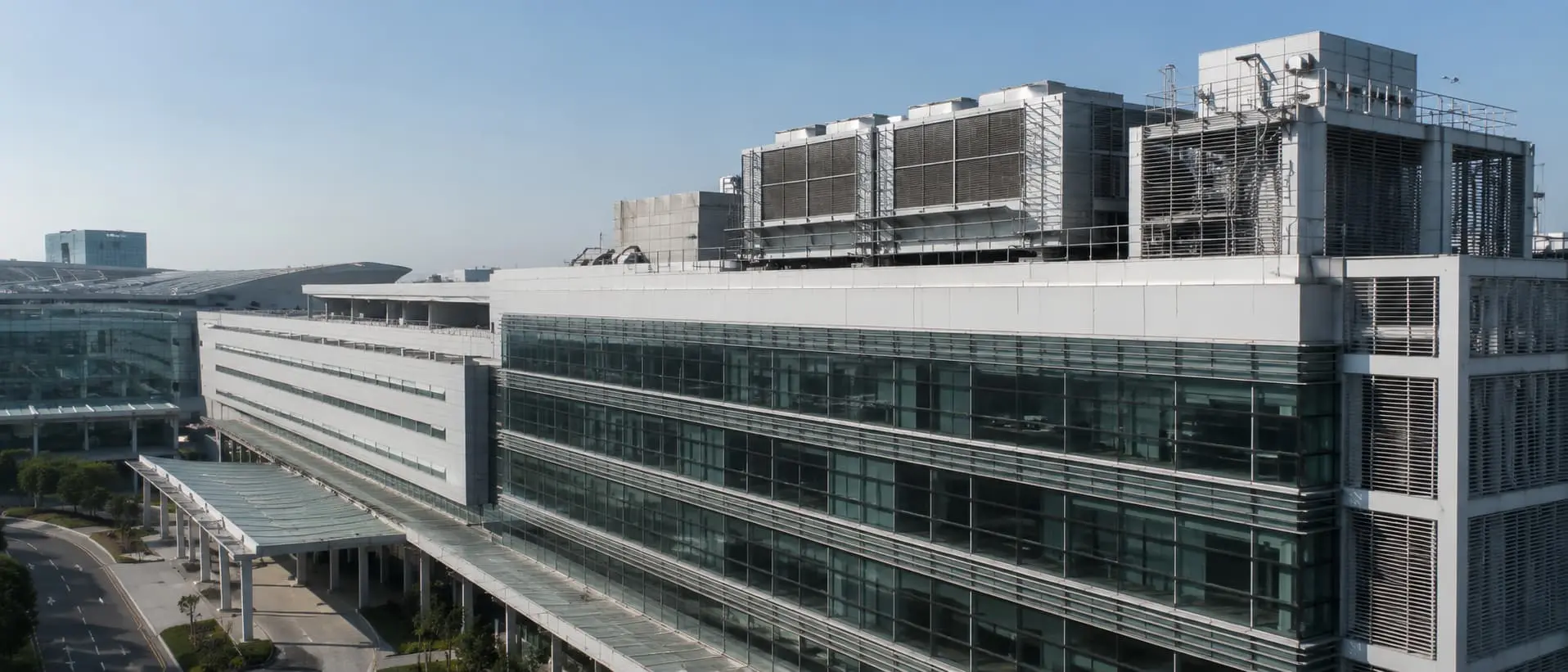
Improve performance in complex HVAC environments where demand, occupancy, weather, and operating schedules change continuously.
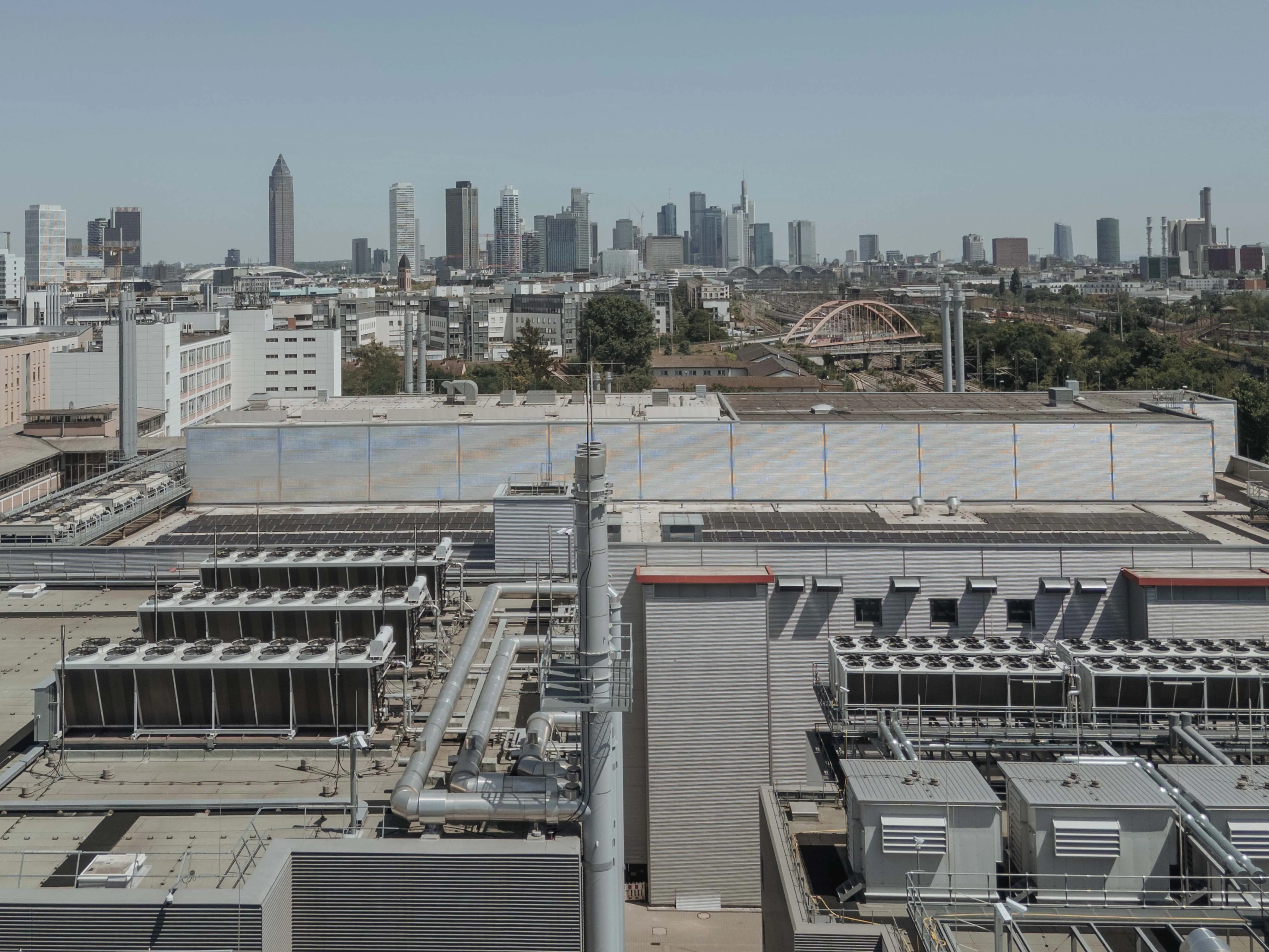
Equinix, Merck, and others achieve up to 50% cooling energy savings with etalytics. Explore our case studies.


"With the help of etalytics' expertise, we are implementing AI-based operational optimization of the cooling systems at the Frankfurt site [...]. We are thus supporting a highly innovative approach that can serve as a blueprint for an entire industry."
The feasibility assessment identifies where market-adaptive scheduling can create measurable value at your site. Together, we review the system scope, available data, control points, operational constraints, savings potential, and implementation path.
Trusted by operators across data centers and industry





We empower industries to make complex energy systems and operations more intelligent, efficient, and resilient — with AI and digital twins that operators can trust.















.webp)