Book Demo
Book Demo

Prevent spikes and capacity violations — with automated peak control
Shift and coordinate loads — within operational, temperature, and redundancy limits
Make peak response repeatable — turn firefighting into system intelligence











etalytics reduces demand peaks automatically by coordinating flexible loads, storage, energy sources, and charging infrastructure within real operating limits so peak response becomes repeatable system intelligence instead of reactive firefighting.


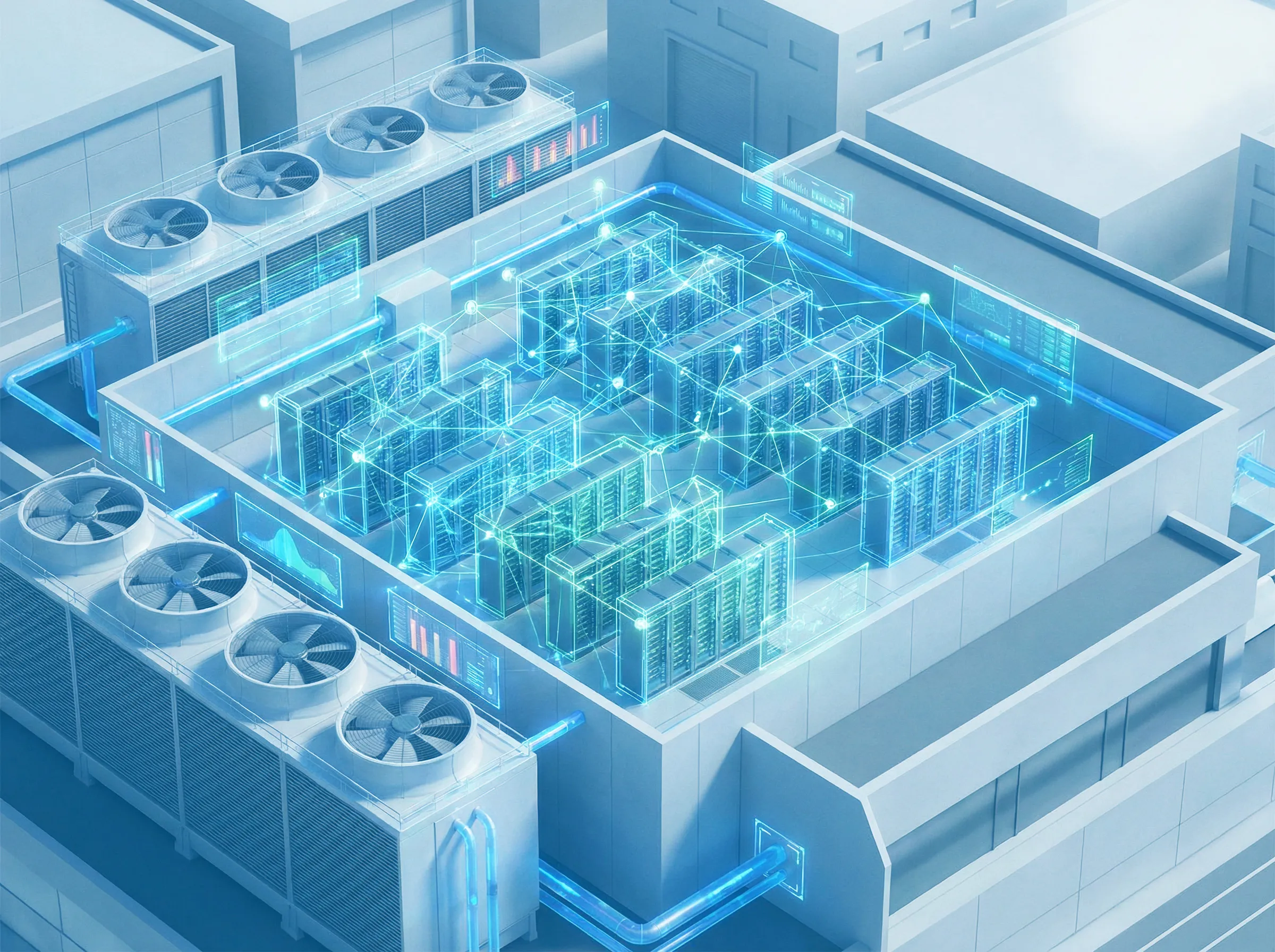
etalytics transforms peak management from manual intervention into continuous operational control. Using live telemetry, configurable control logic, and real-time system coordination, the platform detects peak risk before thresholds are reached and orchestrates available flexibility across the site.

Earlier detection creates time for targeted action instead of last-minute intervention.

Electrical and thermal assets such as CHP, boilers, storage, and flexible loads are coordinated as one energy system.-

emand is shifted proactively based on predicted peaks, operational priorities, and technical constraints.

Battery or thermal storage is used during critical demand periods to absorb or supply energy when peak risk rises.

Renewable generation and flexible demand are integrated into the control strategy based on availability, timing, and operational priorities.

The system dynamically coordinates available energy sources such as electricity, gas, CHP, and boiler operation based on prices, demand, and system limits.

EV charging and other flexible electrical loads are automatically limited, shifted, or prioritized during critical periods.
etalytics follows a structured three-step deployment model.

Avoid unnecessary operation and prioritize efficient modes such as free cooling, optimized part-load operation, and coordinated asset use.
Measured by runtime hours, start-stop cycles, and utilization of active versus passive or more efficient modes.

Maintain temperatures, pressures, humidity, airflow, or other operating parameters within defined boundaries.
Measured by deviation from target ranges and percentage of time within operating limits.

Use thermal inertia, storage, on-site generation, and price signals where relevant.
Measured by shifted load, avoided peak demand, use of favorable tariffs, or demand response participation.

Quantify savings potential, technical fit, risk, and implementation effort before scaling.
Measured by expected savings versus solution cost and a clear rollout decision.
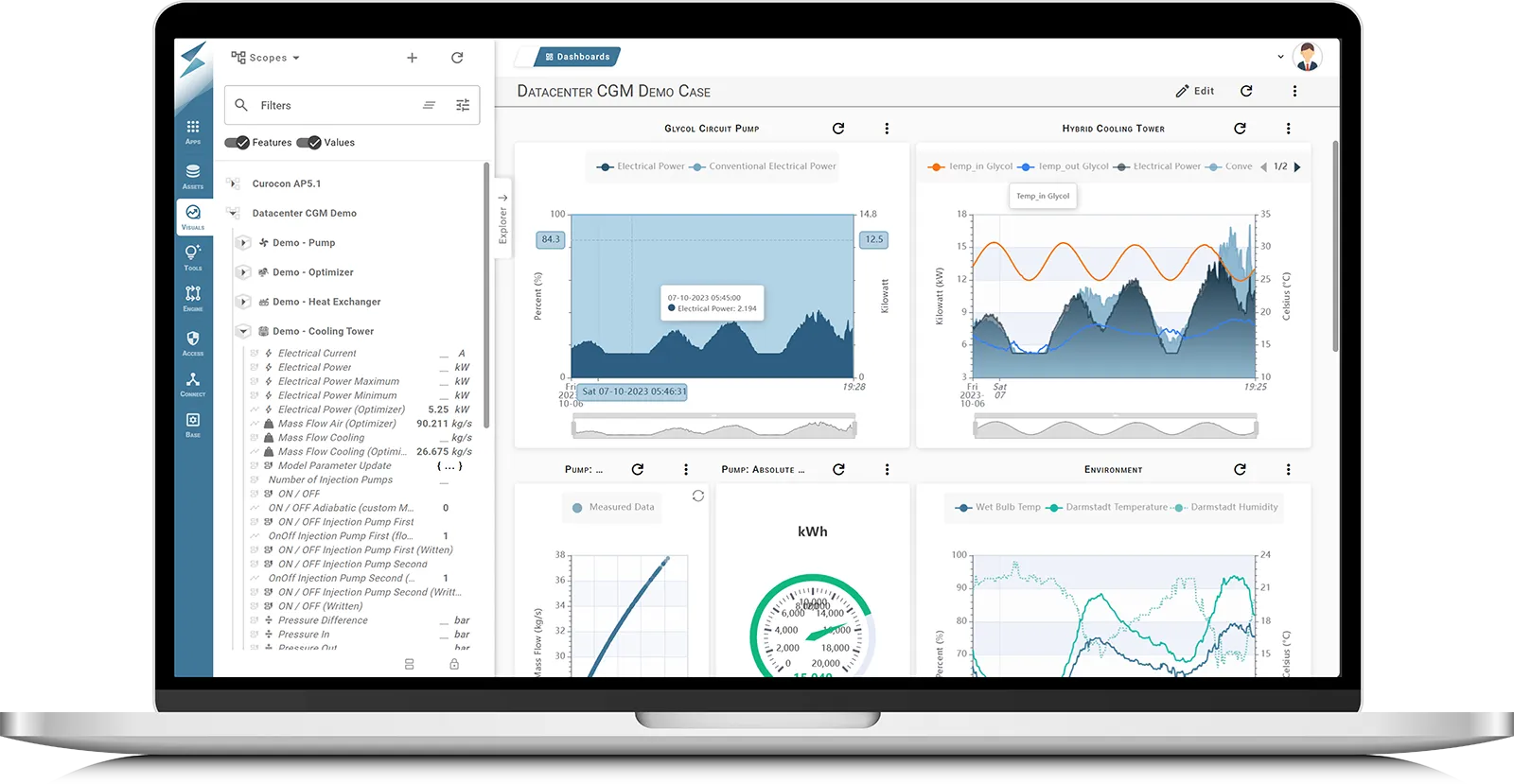
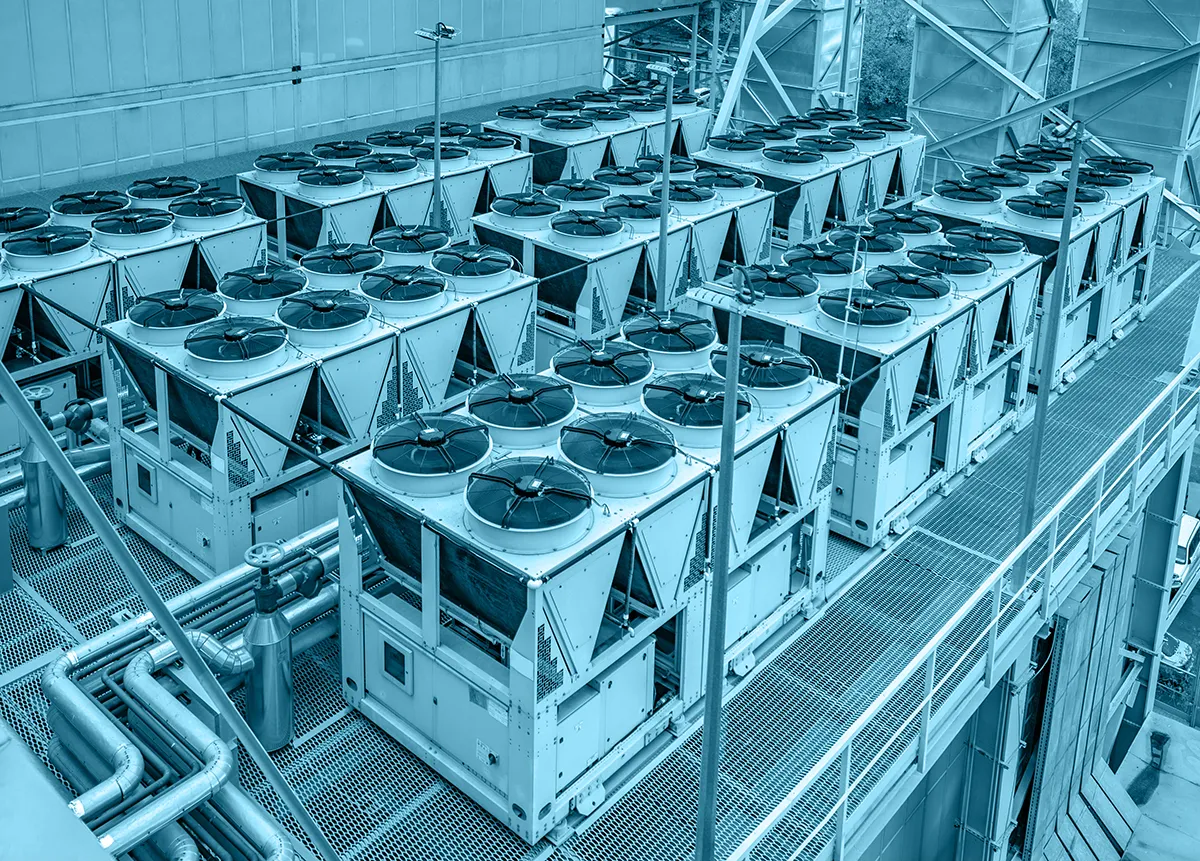
Optimize cooling plants, free cooling, hydraulic distribution, airflow-related dependencies, and supply temperatures while protecting mission-critical uptime and stability.
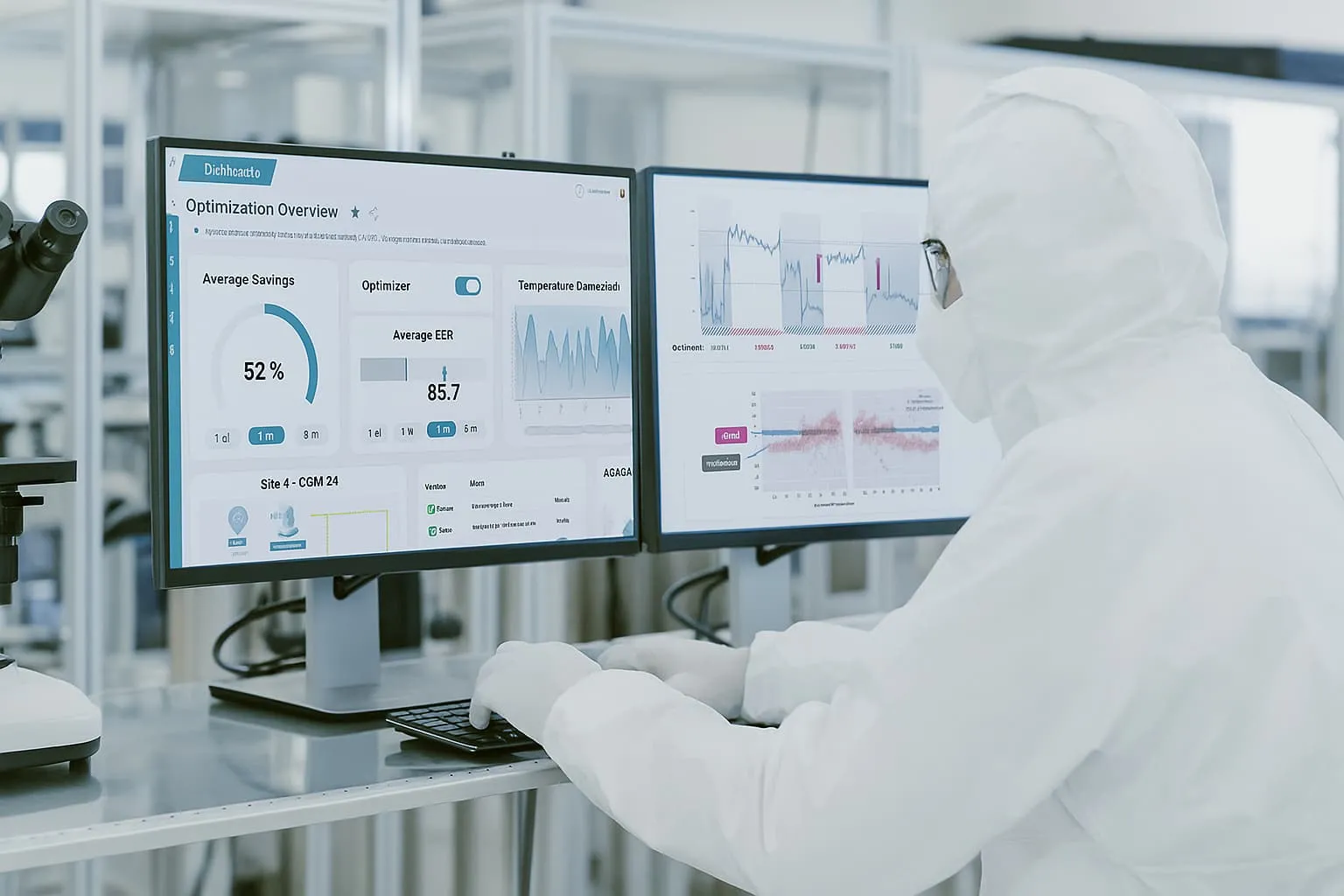
Improve HVAC and utility efficiency while maintaining stable environmental conditions, compliance requirements, and operational boundaries.

Coordinate cooling, heating, ventilation, thermal utilities, and electrical infrastructure under fluctuating production loads and changing energy prices.

Reduce energy waste in process cooling, ventilation, heating, and site-level energy systems with variable production schedules and operating modes.
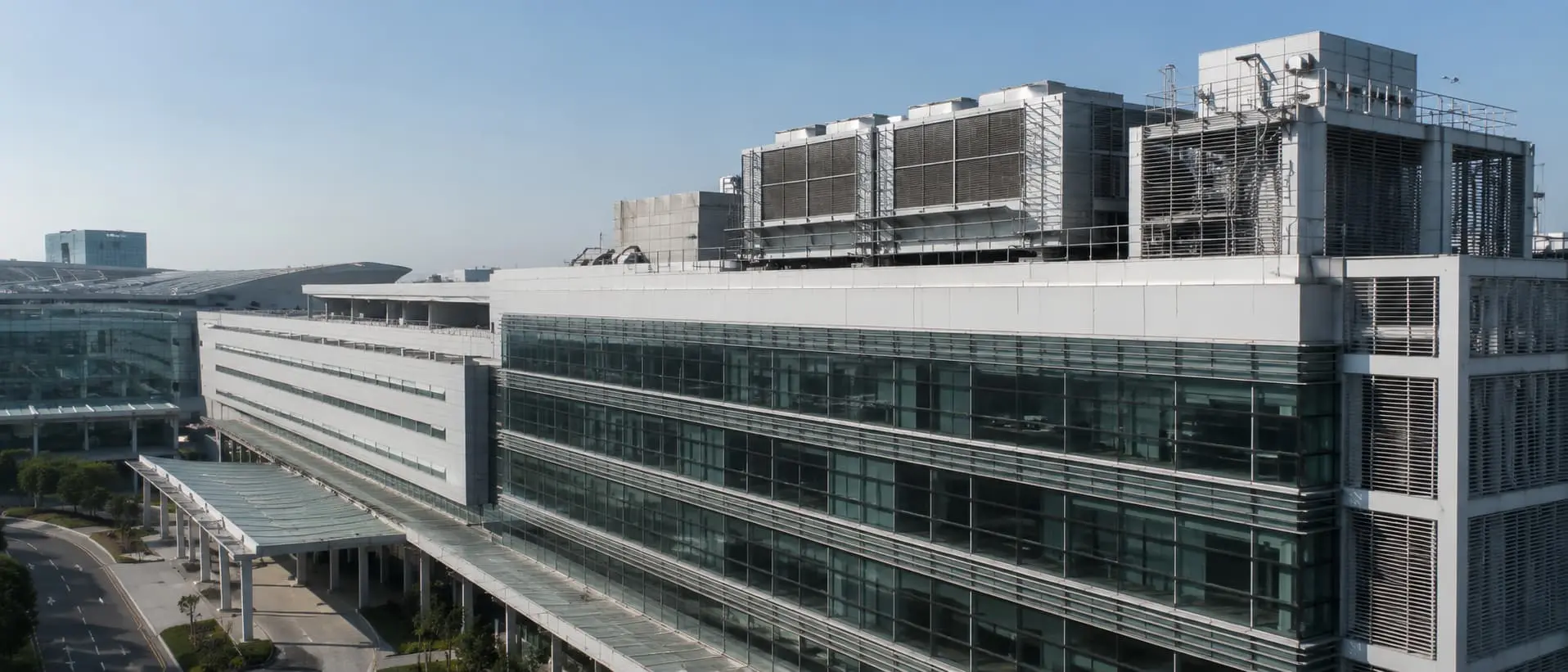
Improve performance in complex HVAC environments where demand, occupancy, weather, and operating schedules change continuously.
Equinix, Merck, and others achieve up to 50% cooling energy savings with etalytics. Explore our case studies.


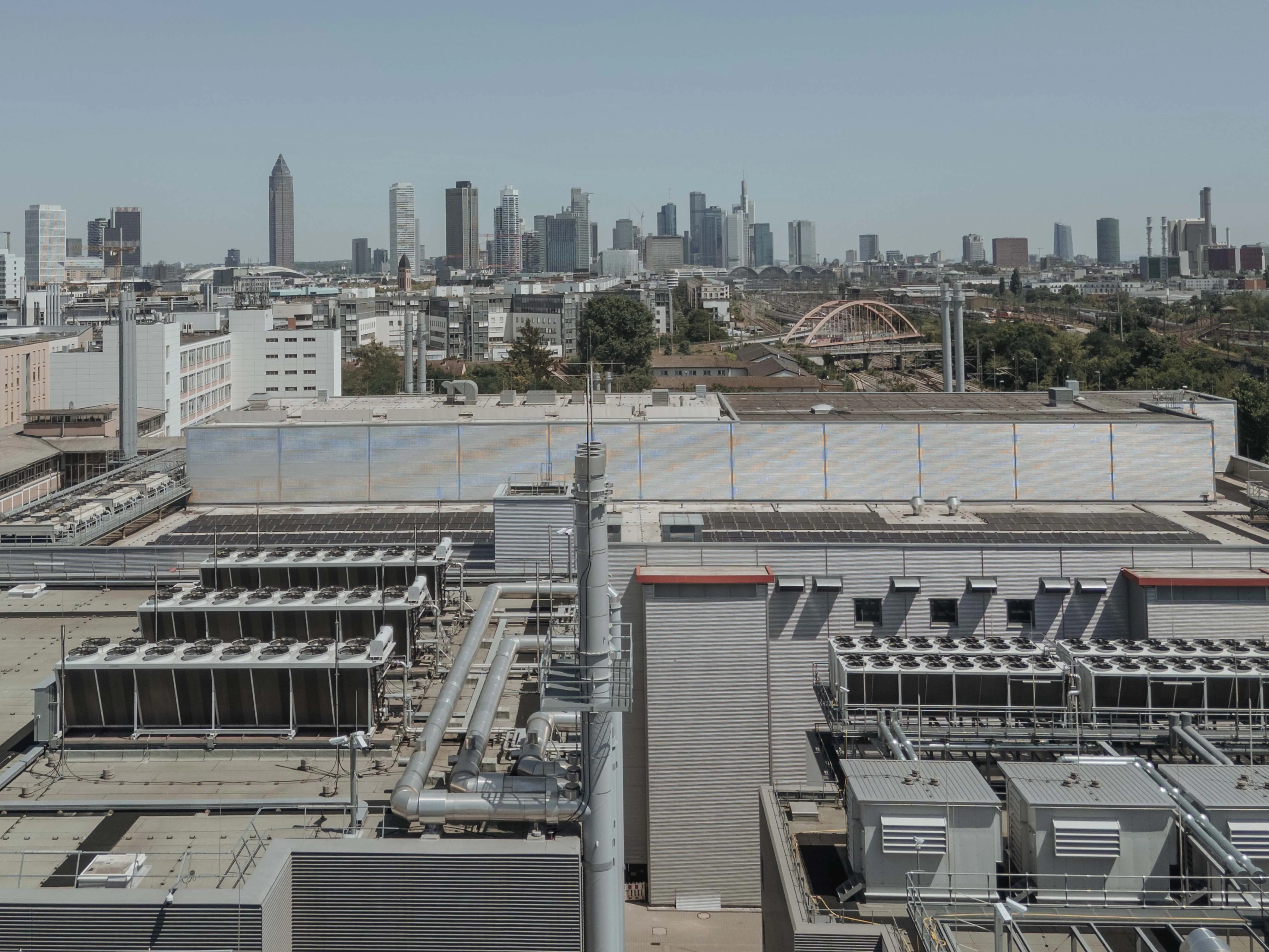
"With the help of etalytics' expertise, we are implementing AI-based operational optimization of the cooling systems at the Frankfurt site [...]. We are thus supporting a highly innovative approach that can serve as a blueprint for an entire industry."
Start with a feasibility assessment. Weanalyze your existing data, estimate your savings and flexibility potential,and define a focused first use case — no system changes, no obligation.
Trusted by operators across data centers and industry





We empower industries to make complex energy systems and operations more intelligent, efficient, and resilient — with AI and digital twins that operators can trust.















.webp)