Energy Foresight

Predictive Maintenance for Critical Energy Systems

Early-warning asset anomaly detection

Degradation-pattern recognition

Condition-based maintenance prioritization

For Data center cooling, Manufacturing HVAC, District energy systems , Thermal storage

Trusted by leading data centers, manufacturers, and energy innovators.

EARLY RISK DETECTION

Detect anomalies early. Prevent outages.

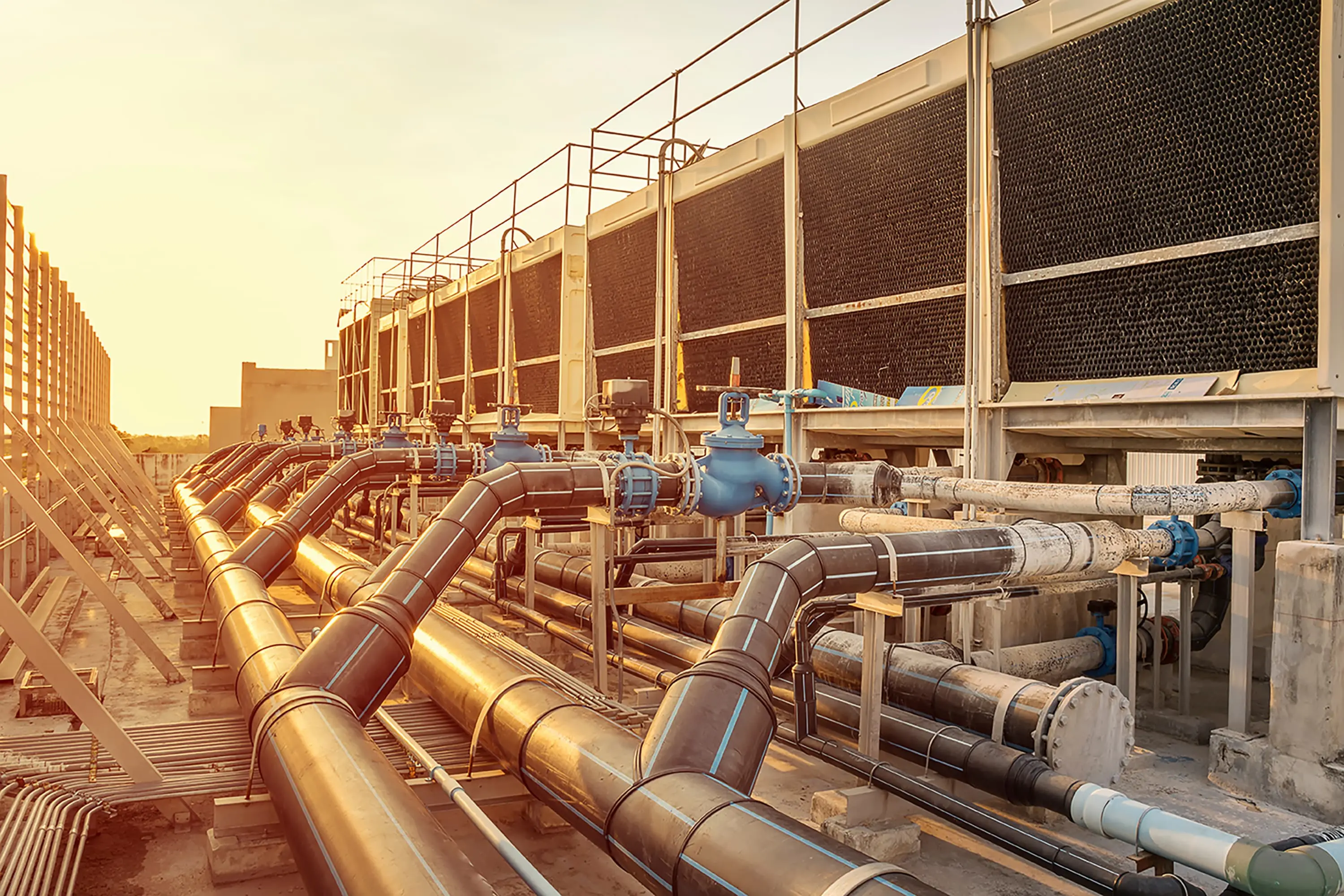
Protect uptime with early detection. etaONE® identifies performance degradation in pumps, chillers, compressors, and utility systems long before conventional alarms detect a problem.

Each asset's behavior is continuously compared against its expected pattern, so abnormal operation surfaces weeks before it reaches a critical threshold — giving your team time to investigate, plan, or prevent escalation.
Gradual efficiency loss and recurring deviations become visible while they're still small, — before slow degradation turns into failure, capacity loss, or persistent waste.
Detected issues are ranked by operational relevance and remaining-life risk, so your team plans interventions around actual asset condition instead of fixed calendar schedules or guesswork.
Every anomaly is linked to the affected asset, signals, timing, and operating context — so engineers start root-cause analysis already knowing what changed, when, and where.
What You Get

System-Level AI Control Built on Digital Twins

The solution can be introduced step by step, starting with a focused use case and scaling across additional systems, assets, or sites oncethe business case is validated.

Automated Anomaly Detection

Teams can detect unusual behavior early instead of waiting for visible performance losses or alarms.

Performance Drift Recognition

Slow degradation becomes visible before it turns into persistent waste or reliability problems.

Multi-Signal Pattern Analysis

Operators can uncover hidden relationships that are difficult to spot with manual monitoring.

Early Warning Insights

Teams gain timeto investigate, adjust, or prevent escalation.

Simple Process

How it works

etalytics follows a structured three-step deployment model.

Platform integration
We connect to existing infrastructure such as SCADA, BMS, PLCs, historians, submeters, utility interfaces, weather data, and relevant tariff or market signals. The standard approach is to use existing data, sensors, meters, and control infrastructure first instead of adding new hardware.
Digital twin setup
We structure data by system, asset, and energy flow, then model the relevant physical and operational relationships. This creates transparency, identifies inefficiencies, validates optimization potential, and can provide virtual measurements such as estimated volume flows when direct measurements are not available.
AI control deployment
Based on the validated system understanding, etalytics deploy optimization logic in open-loop recommendation mode or closed-loop adaptive control. Control actions operate within defined boundaries and include transparency, manual override options, and fallback strategies for mission-critical operations.
For engineering and company leaders

Outcomes your team and your business can measure.

Extend equipment lifecycle

Detect wear and fouling early to cut unplanned downtime and stretch the working life of chillers, pumps, and compressors

Replace maintenance that can't keep up

Catch the dynamic, multi-signal degradation that fixed schedules and threshold alarms were never designed to see

Plan interventions instead of reacting to them

Move from emergency callouts to scheduled, condition-based maintenance on your timeline.

Preserve institutional knowledge

The digital twin captures how your specific assets behave, so expertise doesn't walk out  when a senior engineer leaves.

Always stay in control

Detection and recommendations operate within your defined boundaries; the AI surfaces and advises, your team decides.

De-risk your SLAs and uptime commitments

Early detection of failure precursors reduces the excursions and outages that threaten service-level guarantees.

Protect competitiveness in the AI era

Keep reliability and efficiency on the right side of the line where margin, contracts, and compliance are won or lost.

Improve reliability without capital expenditure

More uptime from existing infrastructure, with no new hardware and no rip-and-replace.

Scale from one site to the whole portfolio

Prove value at a single facility, then roll the same predictive layer across the fleet.

Lower lifecycle cost

Condition-based maintenance reduces both emergency spend and premature replacement across the asset base.
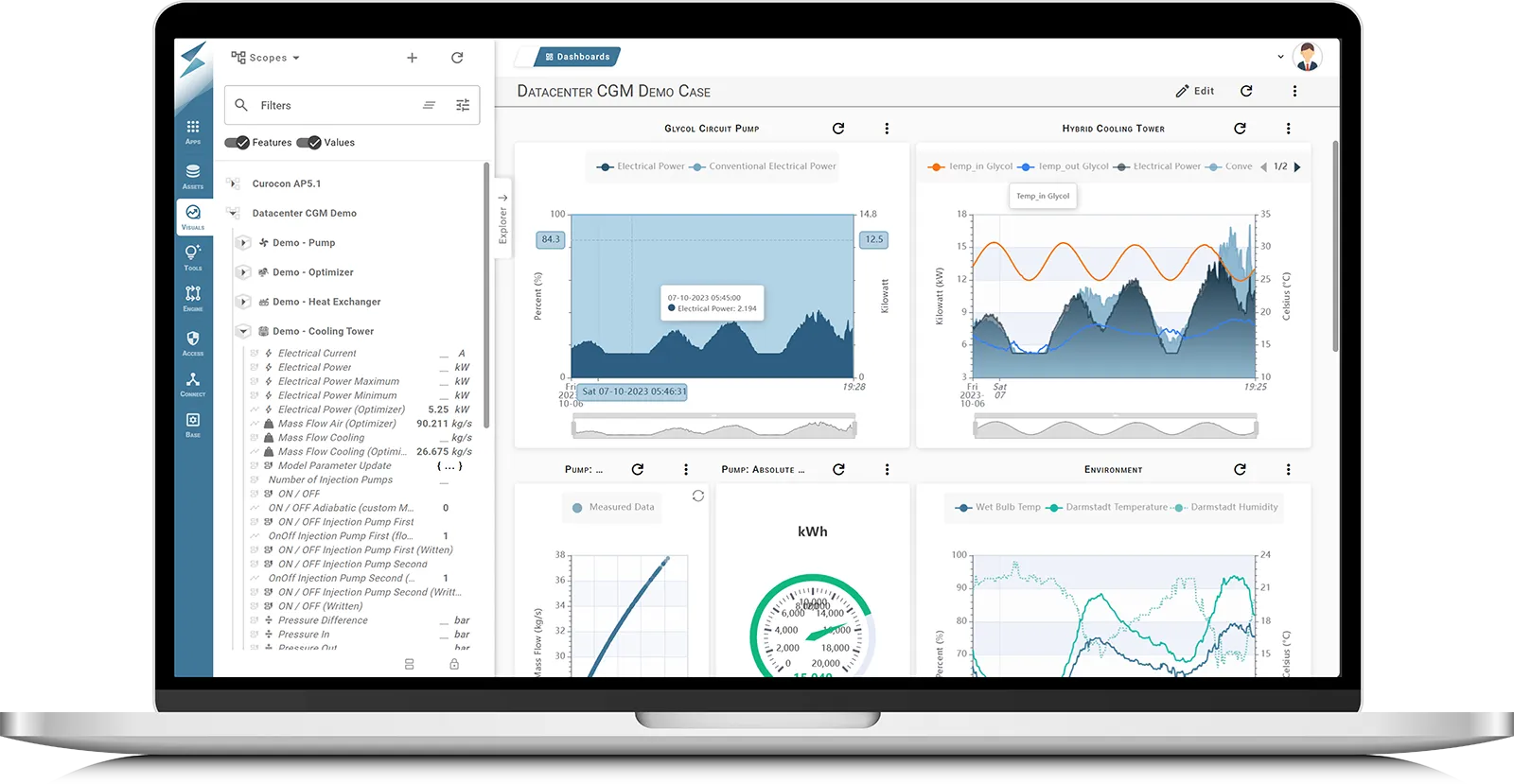
Dashboard mockup
Use Cases and Industries

Industries Using Our Predictive Maintenance Solutions

Data centers

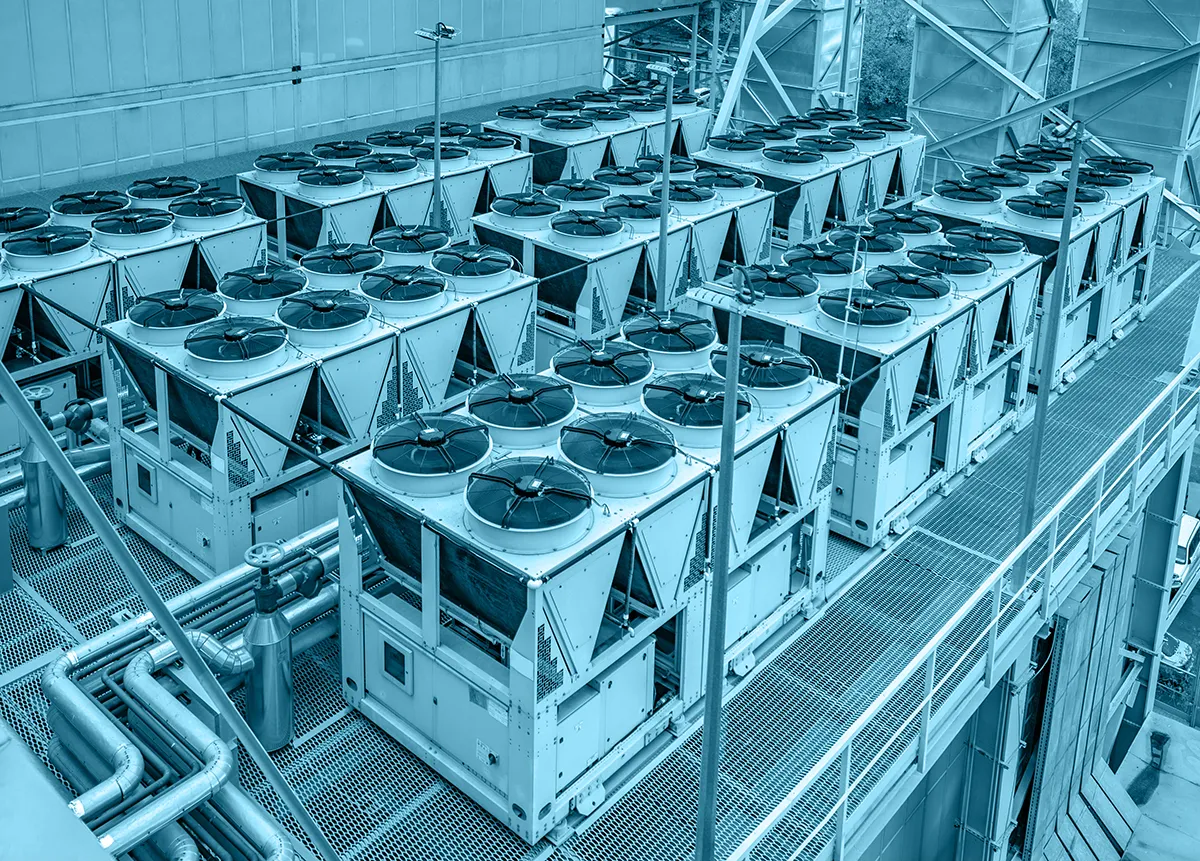
Optimize cooling plants, free cooling, hydraulic distribution, airflow-related dependencies, and supply temperatures while protecting mission-critical uptime and stability.
Pharmaceuticals and clean environments

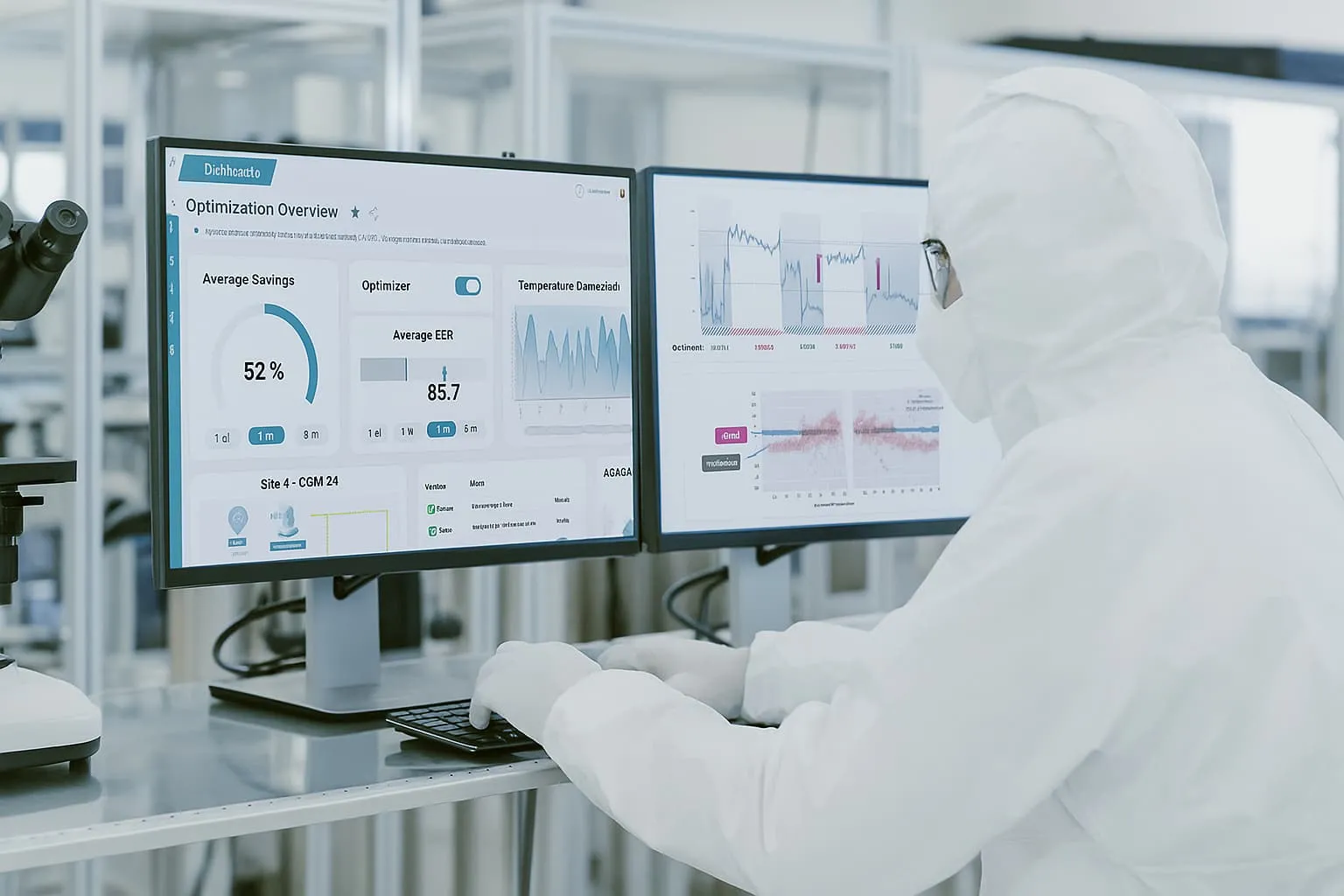
Improve HVAC and utility efficiency while maintaining stable environmental conditions, compliance requirements, and operational boundaries.

Chemicals and industrial production

Coordinate cooling, heating, ventilation, thermal utilities, and electrical infrastructure under fluctuating production loads and changing energy prices.
Large commercial and high-load buildings

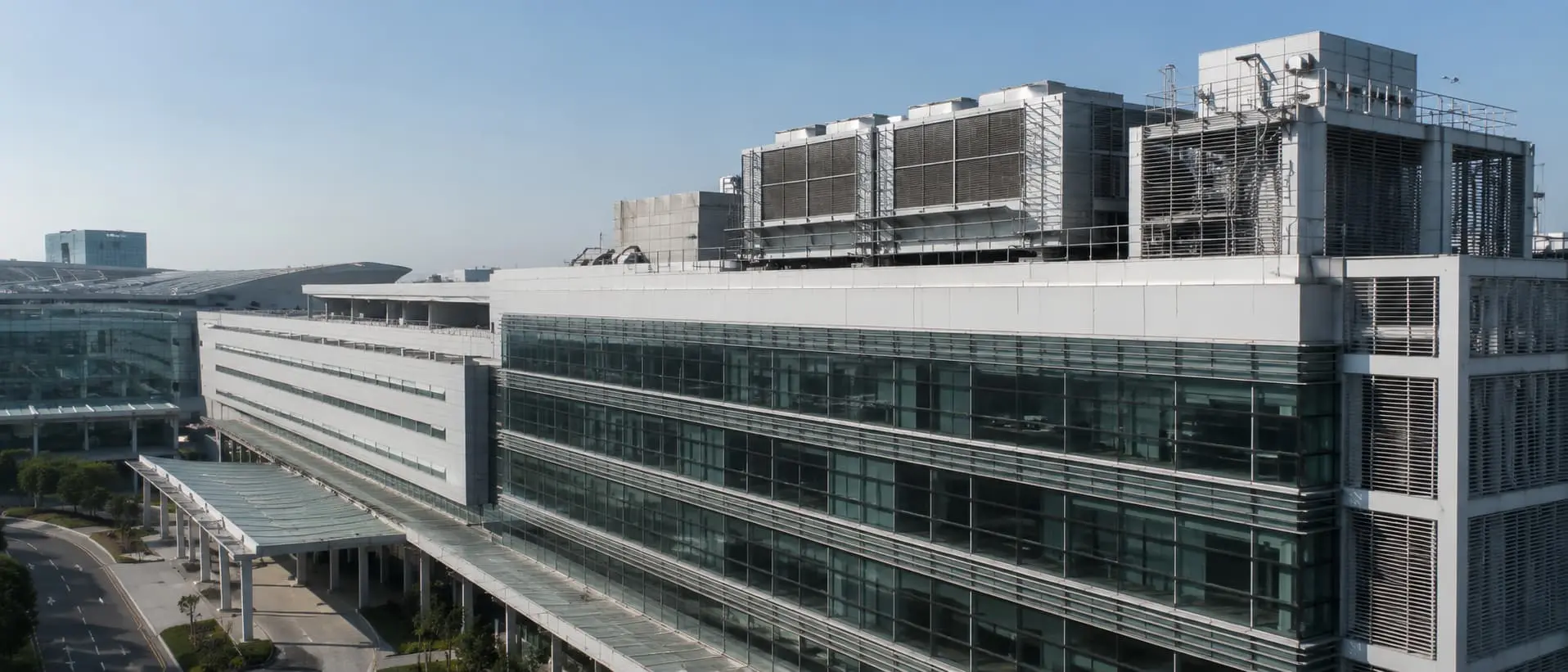
Improve performance in complex HVAC environments where demand, occupancy, weather, and operating schedules change continuously.

Manufacturing and automotive

Reduce energy waste in process cooling, ventilation, heating, and site-level energy systems with variable production schedules and operating modes.

Ready for the next step?

See what etaONE® predicts before you invest.

Start with a free feasibility study. We analyze your existing data, model your system, and show you what simulation cande-risk — no system changes, no obligation.

Trusted by operators across data centers and industry

Thank you! Your submission has been received!
Oops! Something went wrong while submitting the form.
FAQ

Questions? We’ve got you covered.

Do we need new hardware?

Usually not. Most projects begin with your existing sensors, meters, and control systems. Additional hardware is recommended only when critical measurement is missing.

How long does deployment take?

A focused first implementation can typically go live in roughly three months, depending on system complexity and data availability.

Is it safe for critical infrastructure?

Yes. Deployments begin in recommendation mode and progress to automated control only when you choose. Every action operates within predefined safety limits, with manual override and instant fallback to conventional control.

Why are traditional monitoring and maintenance approaches often insufficient?

Traditional approaches such as threshold-based alarms, periodic manual checks, and delayed reports usually identify problems only after performance has already deteriorated. Operators may receive large numbers of individual alerts, but little guidance on which deviations require immediate attention.

In complex energy systems, abnormal behavior often develops across several signals at once, including temperatures, pressures, flows, loads, and operating schedules. These patterns are difficult to detect through manual inspection or isolated alarm limits. As a result, performance drift, energy waste, and equipment risks can remain unnoticed until they affect costs, reliability, or system availability.

The longer a deviation remains undetected, the more difficult root-cause analysis becomes. Depending on the facility’s size, energy intensity, and operational criticality, the cost of inaction can range from recurring efficiency losses and unnecessary maintenance effort to unplanned downtime. Continuous, pattern-based detection helps teams identify emerging risks earlier, prioritize the most relevant issues, and intervene before they escalate.